Things to Do in Turkey in September
September weather, activities, events & insider tips
Shoulder Season · Good Value
September Weather in Turkey
Long-run averages for September in Istanbul
78°F (26°C)
High Temp
64°F (18°C)
Low Temp
1.7 inches (43 mm)
Rainfall
72%
Humidity
6
Sunny-Day UV
⚠ Early September can still produce heatwave spikes to 35°C (95°F) along the Mediterranean and Aegean coasts, in the first ten days. Hydration, sun protection, and midday shade breaks are not optional during these episodes. Heatstroke cases at open-air archaeological sites like Ephesus and Hierapolis peak during these late-summer surges.
⚠ Istanbul's September rainfall tends to arrive in sudden, heavy cloudbursts rather than steady drizzle. Low-lying areas of the historic peninsula, around Eminönü and the underpass near Sirkeci station, can flash-flood briefly during intense downpours. Waterproof footwear helps. Stay off steep cobblestone streets during active rain. This reduces the risk of a wet, slippery fall.
Making the most of September in Turkey? Browse tours and activities in Turkey on GetYourGuide.
Is September Right for You?
Weigh the advantages and considerations before booking
Advantages
- + September in Turkey threads the needle between punishing summer heat and the grey dampness of autumn. Istanbul's average high of 26°C (78°F) means you can walk for hours through Sultanahmet or along the Bosphorus without the July inferno that sends locals diving into air-conditioned shopping centres by noon. The Aegean and Mediterranean coasts hold their summer warmth without the 40°C (104°F) spikes that make August in Antalya feel like standing inside an oven.
- + The summer crush evaporates almost overnight once European school holidays end in early September. At Ephesus, where July mornings pack several thousand visitors onto the marble-grooved Library of Celsus steps before 9 AM, September mornings tend to drop that number dramatically. Cappadocia's rock formations and rock-cut churches feel closer to their intended silence. You can hear your own footsteps in the Göreme Open Air Museum instead of someone else's selfie narration.
- + The sea is still bathwater-warm along the Turquoise Coast, hovering around 26-27°C (79-81°F) through most of September, which means swimming, snorkelling around Kaş, and the boat trips along the Lycian shore that shut down by November are all still running strong. The afternoon light along the Datça peninsula turns the Aegean a shade of deep cobalt you simply do not get in spring.
- + September marks the start of pomegranate, fig, and grape season across Anatolia. Vendors along Istanbul's Kadıköy market pile their stalls with split-open İncir figs that smell like warm honey, and the first pressed grape must appears in Cappadocia villages around Ürgüp. Seasonal mezes shift toward walnut-heavy muhammara and stuffed peppers with a late-summer sweetness that the hothouse winter versions cannot touch.
Considerations
- − The Aegean and western Mediterranean coasts can still spike to 35°C (95°F) during early September heatwaves, and the humidity in Istanbul, averaging 72% for the month, makes even 26°C (78°F) feel stickier than the number suggests. Air conditioning is not universal in older pensions and guesthouses outside the major tourist corridors, so you may find yourself sleeping with windows open in places like the back streets of Kaleiçi in Antalya, listening to the muezzin at 5 AM whether you planned to or not.
- − September sits in a transition zone where some summer operations wind down before the autumn cultural season kicks into gear. Smaller gulet charter companies along the coast start reducing their schedules after mid-September, and a few seasonal restaurants in resort towns like Alaçatı and Bodrum close their kitchens for the year. If your heart is set on a specific multi-day sailing route, early September is safer than late.
- − Rainfall in Istanbul averages 43 mm (1.7 inches) for the month, and when it arrives it tends to come in sharp, concentrated downpours rather than gentle drizzle. The cobblestones in the Grand Bazaar district and across Beyoğlu's steep side streets get slippery, and the drainage in parts of old Istanbul has not kept pace with the city's ambitions. An umbrella and shoes with actual grip are not optional.
Short on time in September? See day trips around Turkey on GetYourGuide.
Best Activities in September
Top things to do during your visit
Turkey in September feels like the country exhaling. The scorching highs of July and August, when coastal resorts bake under relentless sun and Istanbul's limestone streets radiate heat well past sundown, finally soften to average highs around 78°F and lows near 64°F. The Aegean and Mediterranean coasts still hold summer's warmth in their water. But the air carries a faint crispness by evening, and the light turns from the flat white blaze of midsummer to something golden and raking, the kind that makes the domes of Sultanahmet glow like embers at dusk. Rainfall stays modest at around 1.7 inches for the month, and most of it arrives in brief, theatrical downpours that clear within the hour, leaving the cobblestones slick and gleaming before the sun returns. This is the month when Turks reclaim their own country. Schools reopen, the domestic holiday traffic that clogs the D-400 highway along the southern coast thins out, and the ferry terminals on the Bosphorus return to their workaday rhythm of commuters rather than tour groups. In Istanbul, the grand bazaar neighborhoods around Beyazıt settle into a pace that lets you hear the clatter of a copper engraver's hammer or catch the scent of freshly ground Turkish coffee drifting from a side-street roaster. Along the Aegean, towns like Selçuk and Kuşadası shed their August crowds but keep their restaurant terraces open, the evening air carrying wood smoke from grills turning lamb şiş and the sweet char of grilled peppers. September is when Turkey's food culture hits its stride: the last of the summer's white peaches overlap with the first pomegranates, market stalls pile high with fat Aydın figs, and the new season's olive oil pressings begin in the groves south of İzmir. For travelers building a week-long itinerary across the country, or those arriving by cruise ship along the Aegean coast, September delivers the rare combination of warm seas, cooperative skies, and a population that has time to talk to you again. Safety for visitors remains straightforward in Turkey's main tourist corridors. The country's well-traveled routes between Istanbul, Cappadocia, and the Aegean and Mediterranean coasts are thoroughly patrolled and heavily visited year-round. Standard travel sense applies: carry copies of documents, register with your embassy if staying long, and arrange travel insurance before departure, as Turkish hospitals, while generally excellent, bill foreign nationals at private rates.
Small Group Tour for Cruise Passengers
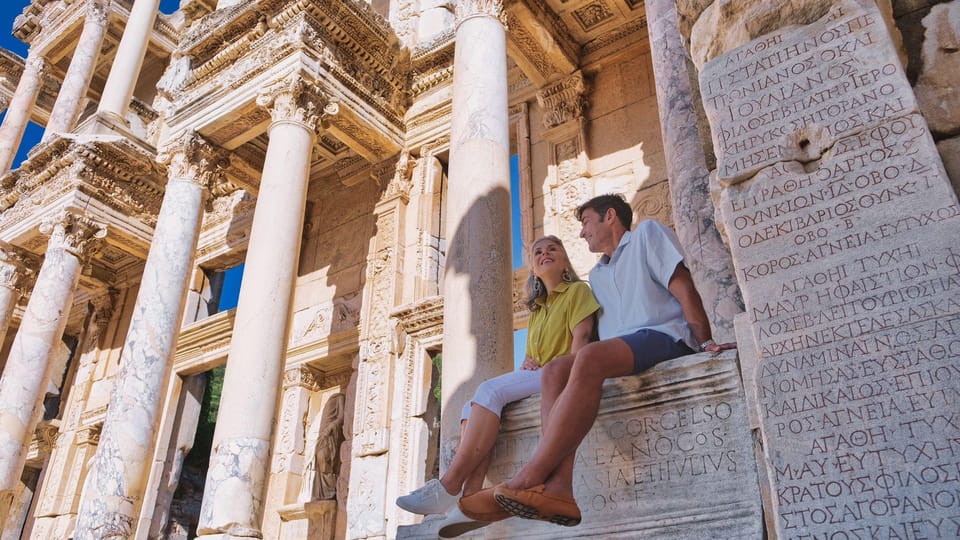
cruiseThis small-group shore excursion is built for cruise passengers docking along Turkey's Aegean coast, typically at Kuşadası, and it compresses the highlights of the surrounding region into the tight window a port call allows. You ride in a vehicle small enough to navigate the narrow roads above the harbor, stopping at overlook points where the Aegean stretches out in layered blues below and the scent of wild thyme rises from the hillside scrub. The guides, most of them locals who grew up in the villages between Kuşadası and Selçuk, narrate at a pace that respects your clock without feeling rushed, and the group size means you can hear them over the wind.
It solves the cruise passenger's central problem, which is seeing something real in a port town rather than just the souvenir gauntlet along the waterfront.
Insider tip: Ask your guide to stop at one of the roadside stands selling freshly squeezed nar suyu, pomegranate juice, which in September is at its most intensely tart and ruby-dark, rather than buying the bottled version at the port.
This month: September's retreat from peak summer heat means the outdoor portions of the tour, any hillside stops, are far more comfortable than in July or August, when exposed terrain can feel punishing by midmorning.
Private Ephesus, Virgin Mary Tour No Hidden Fees
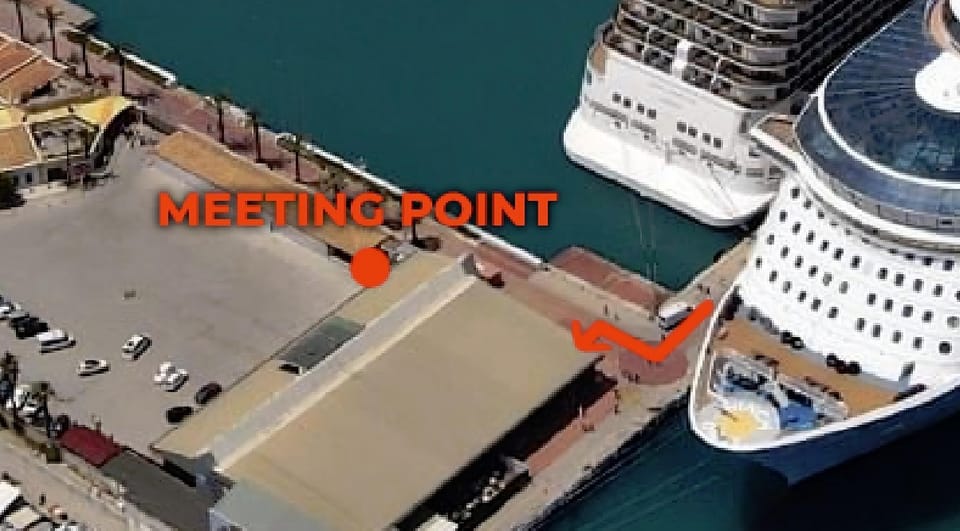
guided_experienceThis private tour to Ephesus and the House of the Virgin Mary strips away the hidden-cost structure that plagues so many guided excursions in the Selçuk area, where entrance fees, "optional" lunch stops at commission-paying restaurants, and carpet-shop detours can quietly triple the spend. Instead, you get a driver and a licensed guide whose entire job is to walk you through the terraced houses of Ephesus, where 2,000-year-old frescoes still hold their pigment in sheltered alcoves that smell of cool stone and mineral dust, and then up the winding mountain road to the small chapel at Meryemana, where the air is noticeably cooler and thick with the scent of pine resin. The Celsus Library facade, even after two millennia, catches the morning light in a way that makes the carved marble faces seem to shift expression.
Ephesus is one of the most complete classical cities in the Mediterranean, and seeing it with a private guide who can bypass the herd-pace of large groups transforms it from a photo backdrop into an intelligible place.
Insider tip: Enter Ephesus from the upper gate if your guide offers the option. Most large groups start from the lower entrance, so walking downhill from the top gives you fifteen to twenty minutes with the residential terraces nearly to yourself.
This month: September's moderated temperatures, roughly ten degrees cooler on average than peak August, make the largely shadeless walk through Ephesus's main colonnaded street significantly more bearable.
Gallipoli Full-Day Tour from Istanbul
day_tripThe Gallipoli peninsula, a narrow finger of land where the Dardanelles meets the Aegean, is one of those places where the landscape itself is the memorial. This full-day tour from Istanbul covers the roughly four-hour drive each way, crossing from the European side through Thrace's flat sunflower fields, now browning and heavy-headed in September, before reaching the windswept bluffs above Anzac Cove. You walk the trenches at Lone Pine, where the sandy soil still occasionally yields rusted fragments, and stand at Chunuk Bair where the wind off the strait carries the salt smell of the sea below. The guides here tend to be genuine historians, not script-readers, and the best of them narrate from multiple perspectives, Turkish, Australian, New Zealand, British, so the day lands with weight rather than nationalist sentiment.
Gallipoli is where the Turkish Republic's founding mythology and the ANZAC nations' identity converge in a single, haunting landscape that no textbook conveys.
Insider tip: Bring a windbreaker regardless of the forecast. The Gallipoli ridgelines channel the Dardanelles wind into a persistent, chilling gust even when the sheltered coves below feel warm.

Turkish Carpet Rug Weaving Workshop (Halı Kilim Dokuma Atölyesi)
otherTucked into a workshop in Turkey's heartland tradition of textile craft, this hands-on session puts you at a loom where you learn the difference between a halı, a knotted carpet, and a kilim, a flat-woven rug, by feeling the tension in the warp threads under your own fingers. The instructor walks you through the symbolism embedded in Anatolian patterns: the scorpion motif for protection, the running water border for endless life, the elibelinde figure representing fertility, each one a sentence in a visual language that predates Ottoman rule by centuries. The room smells of lanolin and natural dyes, the earthy tang of madder root and the faint sweetness of chamomile used for yellow tones, and the rhythmic thump of the beater bar against the weft threads is oddly meditative.
Turkey's carpet tradition is one of the oldest continuous textile arts on earth, and this workshop lets you understand it through your hands rather than through a salesman's pitch.
Insider tip: Wear clothing you do not mind getting natural dye residue on, your sleeves, and ask to see the dye preparation if the instructor offers. Watching the color extraction from walnut husks and pomegranate rinds is as compelling as the weaving itself.

Basilica Cistern (Private Guide & No waiting) Ticket not included
private_tourThe Basilica Cistern sits beneath Istanbul's streets like a drowned cathedral, 336 marble columns rising from shallow water that reflects them in shimmering doubles. This private guided visit skips the queue that can stretch along Yerebatan Caddesi, in the afternoon, and pairs you with a guide who knows where to direct your attention: the two Medusa-head column bases tucked in the far corner, one inverted and one turned sideways, their origin still debated by archaeologists; the "weeping column" with its tear-shaped carvings and perpetually damp surface. The carp that drift through the illuminated water like slow copper shadows. The air underground stays cool and humid year-round, carrying a mineral dampness that clings to skin, and the silence is startling given that Sultanahmet's traffic rumbles directly overhead.
It is the single most atmospheric space in Istanbul, a sixth-century engineering marvel that feels less like a tourist site and more like descending into the city's subconscious.
Insider tip: Let your eyes adjust for a full minute after descending the staircase before trying to photograph anything. The cistern's carefully designed lighting reveals details incrementally, and rushing to the back means missing the colonnade perspective that makes the space feel infinite.

Istanbul Guided Dolmabahçe Palace and Sunset Bosphorus Tour
culturalThis guided tour pairs Dolmabahçe Palace, the Ottoman Empire's final imperial residence on the European shore of the Bosphorus, with a sunset cruise up the strait, and the sequencing matters: you spend the afternoon inside the palace's absurdly ornate halls, where a four-and-a-half-ton Bohemian crystal chandelier hangs in the ceremonial hall and the parquet floors are inlaid with rosewood in patterns that took craftsmen years to complete, then step out onto the Bosphorus as the sun drops toward the Golden Horn. The cruise portion threads between the Asian and European shorelines while the call to prayer rises simultaneously from mosques on both banks, the sound carrying across the water in overlapping waves. September's extended golden hour means the light lingers on the waterfront yalıs, the wooden Ottoman mansions whose paint peels in shades of rust and faded rose, longer than in the compressed dusks of winter.
Dolmabahçe is where the Ottoman Empire's ambition to match Versailles collided with Bosphorus geography, and following it with a sunset on the water gives the day an emotional arc that neither half delivers alone.
Insider tip: Position yourself on the right side of the boat, facing the European shore, as you cruise north from Dolmabahçe. The late-afternoon light hits the waterfront facades of Arnavutköy and Bebek at an angle that turns them into a continuous canvas of warm color, while the Asian side falls into early shadow.
This month: September sunsets over the Bosphorus tend to produce deeper color than midsummer because the slight increase in atmospheric moisture scatters longer wavelengths more dramatically, and the angle of light at this latitude in early autumn sits lower on the horizon for a more prolonged golden hour.
Where to Stay in Turkey in September
Hand-picked hotels across price tiers for September travellers.
★★★★★
Luxury
Hagia Sofia Mansions Istanbul, Curio Collection by Hilton
From $222 / night
Check Prices on Trip.com →
Packing Checklist
Bookmark this page — your progress is saved between visits
Need the full list with shopping links?
Climate-specific gear, brand recommendations, and what to leave at home.
View Turkey Packing List →Essential Tips
Insider knowledge and common pitfalls to avoid
Insider Knowledge
The Istanbul Kart stored-value transit card works on ferries, trams, metro, and buses. The commuter ferry from Eminönü to Kadıköy is, without exaggeration, the best Bosphorus experience available. It runs every twenty minutes, passes Maiden's Tower and the Asian shore mosques, and drops you in Kadıköy's food market district instead of back at a tourist pier. The morning crossing, with tea sellers working the deck and the Sultanahmet skyline shrinking behind you, is the ride every travel photographer in the city uses. It costs a fraction of the dedicated Bosphorus cruise tickets.
September is fig season. The figs in Turkey are not the pale, mealy things exported to European supermarkets. At Kadıköy's Çarşı market or the Tuesday market in Ürgüp, look for the dark-purple Bursa İncir. Split one open and the interior is a deep crimson with a fragrance somewhere between honey and jam. Eat them within the day you buy them. They do not travel well. Pair with a slab of Ezine peyniri, the aged white cheese from the Dardanelles region, and you have a snack that outperforms most sit-down desserts.
Mosque etiquette catches first-timers off guard at the Blue Mosque and Süleymaniye. Friday midday prayers close the major mosques to visitors from roughly noon to 1:30 PM. Plan your Sultanahmet morning accordingly. Shoes come off at the door. Carry a plastic bag rather than leaving expensive walking shoes in the pile. The carpets underfoot inside Süleymaniye, one of the few mosques that still uses hand-knotted wool, feel noticeably different from the machine-made ones in smaller mosques. Visit Süleymaniye at late afternoon when the light through the Iznik-tile windows turns the interior a cool blue, and the tourist crowds have moved on to the Bazaar Quarter.
Do not underestimate Turkish breakfast. Do not fill up at your hotel buffet if there is a neighbourhood kahvaltı salon within walking distance. A full Turkish breakfast spread, simit bread rings with sesame, kaymak (clotted cream) with honey, three or four cheeses, olives in varying shades of green and black, sucuklu yumurta (eggs fried with spiced beef sausage), tomatoes, cucumbers, and strong çay in tulip glasses, is not a meal. It is the organizing principle of the Turkish morning. In September, these spreads add fresh walnuts, grape molasses, and whatever seasonal fruit is coming off the trees that week. The Beşiktaş and Cihangir neighbourhoods in Istanbul and the Kalekapısı area in Antalya are known for their breakfast spots.
Avoid These Mistakes
Planning a week in Turkey and spending all of it in Istanbul. Istanbul earns four days minimum. Treating the rest of the country as optional means missing Cappadocia's landscape, the Aegean coast, and eastern Anatolia entirely. A seven-day September trip works best as a split: three or four days in Istanbul, then a domestic flight to Cappadocia or the coast. Turkish Airlines and Pegasus run frequent, affordable domestic routes. A one-hour flight from Istanbul Sabiha Gökçen to Nevşehir (Cappadocia) or Dalaman (Fethiye coast) transforms your trip from a city break into something expansive.
Assuming September is still full summer and packing only shorts and sandals. The coasts remain warm. Istanbul feels surprisingly autumnal by late September. Evenings along the Bosphorus drop to 18°C (64°F) and the wind off the water adds a chill that catches underdressed visitors on open-air rooftop restaurants and ferry decks. Cappadocia's high plateau sits at roughly 1,000 m (3,280 ft) elevation, and September nights there are cold. Layering is not a suggestion. It is the difference between enjoying a sunset balloon landing and shivering through one.
Visiting the Grand Bazaar expecting an authentic shopping experience and leaving with overpriced leather goods or fake pashminas. The Kapalıçarşı has roughly 4,000 shops across 61 covered streets. The ones lining the main tourist arteries are the most aggressive and least interesting. The real finds, hand-hammered copper from Gaziantep, antique Iznik-style ceramics, proper Turkish coffee sets, sit in the deeper lanes where shopkeepers do not need to shout at passing foot traffic. If a shopkeeper pulls you physically into his store or quotes a price that drops by half within thirty seconds, keep walking. Worthwhile vendors let you browse. They pour you tea before any price is mentioned.
Ready to plan your trip to Turkey?
Now that you've got the research covered, here's where to go next.
Explore More Activities in Turkey
Didn't see anything interesting yet?
Browse Viator's full catalog of tours, day trips, food experiences, and private guides in Turkey.
See All Turkey Tours on Viator